
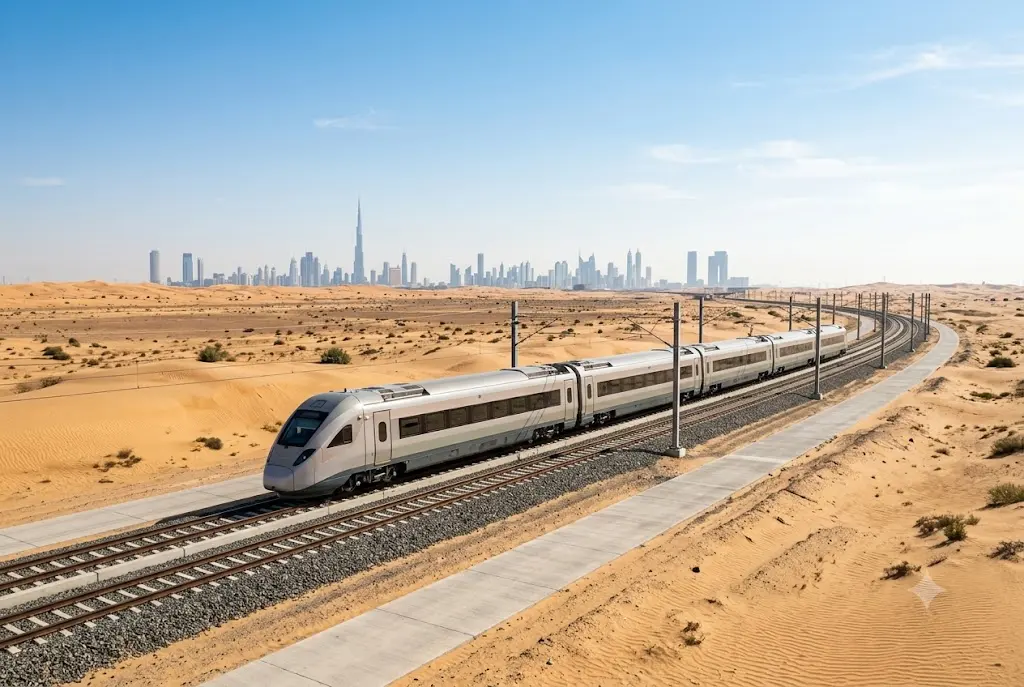

Etihad Rail is transforming transportation across the United Arab Emirates by creating a modern national railway network that connects major cities, industrial zones, and ports. Designed to improve mobility, reduce road congestion, and support economic growth, the railway is one of the UAE’s most significant infrastructure projects. As passenger services continue to develop alongside the freight network, many residents and visitors are eager to learn about routes, stations, travel plans, and what to expect in the coming years.
This guide explains everything you need to know about Etihad Rail, including its purpose, planned passenger routes, major stations, travel benefits, and the latest developments.
What Is Etihad Rail?
Etihad Rail is the national railway developer and operator of the UAE. The project was established to build an integrated railway system connecting all seven emirates while also linking the UAE with neighboring GCC countries through future regional rail connections.
The railway currently serves freight operations across several regions and is preparing to introduce passenger services that will significantly improve domestic travel.
Why Etihad Rail Is Important for the UAE
The railway plays a major role in supporting the UAE’s long-term transportation strategy. Instead of relying solely on highways and air travel, the country is investing in a sustainable rail network that offers faster, safer, and more environmentally friendly transportation.
Key benefits include:
- Reduced traffic congestion on major highways
- Lower carbon emissions
- Faster movement of goods across the country
- Improved connectivity between emirates
- Enhanced tourism opportunities
- Better transportation options for residents and visitors
Etihad Rail Passenger Routes
Passenger services are expected to connect several important destinations across the UAE. While operational details continue to be announced, the planned network includes major cities such as:
- Abu Dhabi
- Dubai
- Sharjah
- Fujairah
- Ras Al Khaimah
- Ajman
- Al Ain
The railway will allow travelers to move between emirates more comfortably while reducing travel times compared to traditional road transport.
Etihad Rail Stations
Passenger stations are expected to be located near key urban centers and transportation hubs. The exact station list and opening schedule may vary as construction progresses, but the goal is to integrate rail services with existing public transport systems.
Future stations are expected to provide:
- Modern waiting areas
- Digital ticketing
- Parking facilities
- Accessibility features
- Connections to metro, bus, and taxi services
How Fast Will Etihad Rail Be?
Passenger trains are expected to operate at speeds of up to approximately 200 km/h on certain sections of the network, making travel between major cities significantly quicker than many road journeys.
For example, travel between Abu Dhabi and Dubai is expected to become much faster once passenger operations begin.
Freight Operations Already in Service
While passenger services are still under development, freight trains are already transporting cargo across the UAE. These operations support industries including:
- Construction
- Manufacturing
- Energy
- Logistics
- Ports and shipping
Moving freight by rail helps reduce the number of heavy trucks on highways while improving supply chain efficiency.
Expected Passenger Services
Although official launch dates and ticket prices may be announced separately, passenger services are expected to include:
- Comfortable seating options
- Air-conditioned coaches
- Wi-Fi connectivity
- Accessible facilities
- Digital ticket booking
- Luggage storage
The overall travel experience is expected to meet international railway standards.
Environmental Benefits of Etihad Rail
One of the biggest advantages of Etihad Rail is sustainability. Rail transport generally produces fewer emissions than road transport, helping the UAE achieve its environmental goals.
Additional benefits include:
- Reduced fuel consumption
- Improved air quality
- Less highway congestion
- Lower transportation costs over time
Economic Impact
Etihad Rail is expected to contribute significantly to the UAE economy by improving logistics, attracting investment, and supporting industrial development.
The railway also creates new opportunities in sectors such as:
- Tourism
- Hospitality
- Retail
- Real estate
- Manufacturing
How Will Travelers Benefit?
Residents and tourists can expect several practical advantages once passenger services become operational:
- More predictable travel times
- Reduced dependence on private vehicles
- Comfortable long-distance travel
- Better connections between emirates
- Convenient access to business and tourist destinations
Future GCC Rail Connectivity
Etihad Rail is designed to become part of the wider GCC railway network in the future. Once regional connections are completed, passengers and freight may eventually travel more efficiently between Gulf countries.
This long-term vision supports greater regional integration and economic cooperation.
Where to Find Official Updates
Because railway development continues to progress, travelers should always check official announcements for the latest information on passenger service launches, station openings, and ticket availability. The official Etihad Rail website provides the most up-to-date project information.
Related UAE Travel Guides
If you’re planning to explore more of the UAE, you may also find these guides useful:
- Best Coffee Shops Near Me in UAE
- How to Find a Nesto Near Me in UAE
- China Visa Application Form Dubai Guide
Final Thoughts
Etihad Rail represents a major step forward in the UAE’s transportation future. As passenger services become available, the railway will offer residents and visitors a faster, more sustainable, and convenient way to travel between emirates. Alongside its existing freight operations, the expanding rail network is expected to strengthen the country’s economy, improve connectivity, and support long-term national development.